
THE COREVITAL JOURNAL
How to Choose Berberine Without the Hype
Learn how to choose berberine with clear standards for form, dose, testing, label transparency, and medication safety in a sustainable routine each day.
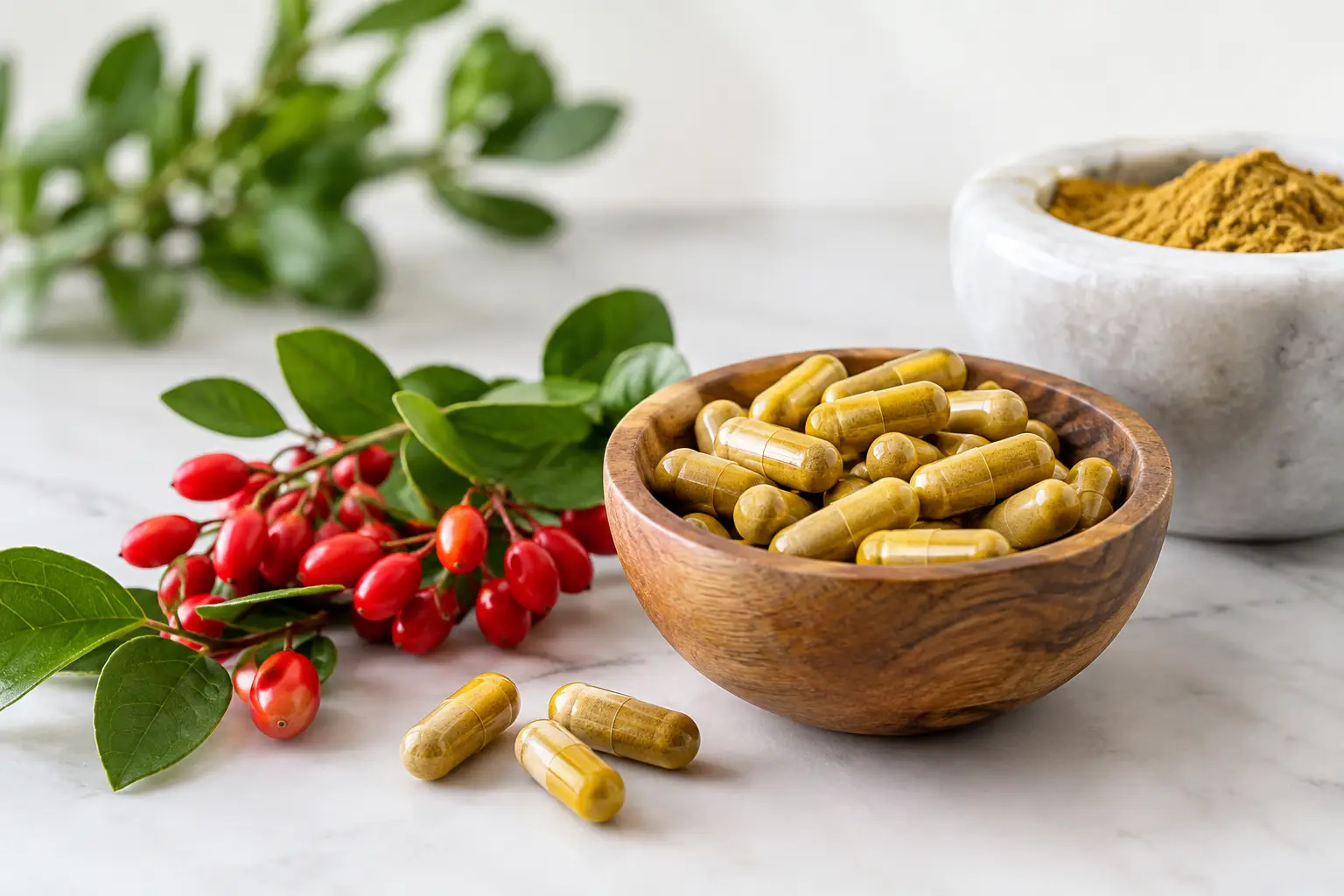
A berberine label can look reassuring while leaving out the details that matter most. Learning how to choose berberine starts with a simple shift: do not shop for the boldest promise. Shop for a product that clearly states what it contains, why it is there, how it is made, and when it may not be appropriate for you.
Berberine is a plant-derived compound used across several botanical traditions and commonly sourced from plants such as barberry, goldenseal, and Oregon grape. It has become a popular part of metabolic wellness conversations because research has explored its relationship to glucose metabolism, lipid markers, and other metabolic pathways. That interest is reasonable. But research interest is not a guarantee of a personal outcome, and a supplement is not a substitute for medical care, meals that support you, movement, sleep, or prescribed treatment.
The right choice is usually less dramatic than marketing makes it sound. It is a transparent formula, a sensible daily plan, and a conversation with a qualified clinician when your health history calls for one.
How to Choose Berberine: Start With the Actual Form
The form on the Supplement Facts panel matters. Berberine HCl, or berberine hydrochloride, is one of the most commonly studied and widely used forms. A label that identifies berberine HCl and states the amount per serving gives you a clear starting point for comparison.
Be cautious with labels that emphasize a plant name but do not disclose how much berberine the serving provides. “Barberry extract” can mean many things depending on the extraction method and standardization. That does not automatically make it a poor ingredient, but it makes meaningful comparison harder. Proof, not placeholders, means knowing whether you are buying a named botanical, a standardized extract, or a stated amount of berberine HCl.
A single-ingredient product can make sense when you and your clinician want to evaluate berberine on its own. A combination formula can also be reasonable when every ingredient and its intended role are disclosed. The trade-off is clarity: more ingredients may support a broader wellness routine, but they also create more variables to consider for tolerance, interactions, and personal fit.
Read the Dose Without Chasing the Highest Number
More is not automatically better with berberine. Studies have used different protocols, populations, and durations, so there is no universal amount that is right for every adult. Your response may depend on your diet, digestive sensitivity, medications, medical history, and the reason you are considering supplementation in the first place.
Choose a product that states the amount per capsule and per daily serving. This matters because some front labels highlight a large number without making the serving size obvious. A clear panel lets you see whether the product is designed for one capsule daily, divided doses, or another routine.
For many people, tolerability is the practical starting point. Berberine may cause digestive effects such as nausea, constipation, diarrhea, cramping, or stomach discomfort. Starting only as directed and paying attention to how you feel can be more useful than trying to force a more aggressive routine. If a product’s directions are vague, or its marketing suggests results require escalating doses, step back.
Put Medication Safety Ahead of Convenience
Berberine can affect metabolic pathways and may interact with medications. This is the part of the decision that deserves more care than a product review or social media recommendation can provide.
Speak with a physician, pharmacist, or other qualified clinician before using berberine if you take medication for blood sugar, blood pressure, cholesterol, blood clotting, immune function, or other ongoing conditions. The same caution applies if you use multiple supplements, have a liver or kidney condition, are preparing for surgery, or are managing a complex health concern.
Berberine is generally not a casual choice during pregnancy or breastfeeding, and it should not be given to infants or young children unless a qualified pediatric clinician specifically directs it. These are not small-print exceptions. They are part of choosing responsibly.
If you monitor glucose, do not assume a supplement allows you to change prescribed treatment. Changes in readings, symptoms, or medication needs should be discussed with the clinician managing your care. A physician-guided approach is not about making wellness feel complicated. It is about protecting the progress you are already working toward.
Look for Manufacturing Standards You Can Verify
Supplements are not all made to the same standard. A polished bottle is not evidence of quality, and terms like “premium” or “clinical” do not tell you much on their own. Look for practical signals that a company takes accountability seriously.
A trustworthy berberine product should make these basics easy to find:
- The exact active ingredient and amount per serving
- A complete list of other ingredients, including capsule materials and excipients
- A clearly identified serving size and suggested use
- The manufacturer or responsible company’s name and contact information
- A lot number and expiration date on the package
Manufacturing in an FDA-registered, GMP-certified facility is a meaningful quality practice, though it does not mean the FDA has approved a supplement to diagnose, treat, cure, or prevent disease. The distinction matters. Responsible brands explain their standards without using regulatory language as a shortcut to exaggerated claims.
Third-party testing can add another layer of confidence, particularly when a company is willing to discuss identity, purity, potency, and contaminant testing. “Tested” is a start, but transparency is stronger when a brand explains what it tests for and does not hide behind a proprietary blend.
Watch for Claims That Ask Too Much of One Bottle
Berberine may have a role in a thoughtful metabolic wellness plan. It is not a replacement for the foundations that influence metabolic health over time. Be skeptical of products that promise rapid weight loss, guaranteed glucose results, detoxification, or an effortless reset.
These messages often create a false choice: either a supplement changes everything quickly, or it is not worth considering. Real life is more useful than that. A supplement can be one supportive tool while you work on regular meals, protein and fiber intake, daily movement, sleep consistency, stress recovery, and follow-up care.
Be equally cautious with false scarcity. A brand that pressures you to buy before you can read the label is asking for trust before it has earned it in public. You should be able to understand the formula without enrolling in a countdown clock, a subscription trap, or an overly complicated bundle.
Consider Whether the Formula Fits Your Routine
The best supplement is not the one with the most dramatic story. It is the one you can use safely and consistently, if it is appropriate for you. Consider when you eat, whether you are prone to digestive upset, how many medications and supplements you already take, and whether the directions fit an ordinary morning or evening.
Some people prefer a simple berberine HCl product because it makes personal tracking easier. Others prefer a disclosed botanical formula that pairs berberine with ingredients chosen for complementary wellness contexts, such as digestion or liver support. Neither approach is inherently superior. The better choice is the one with transparent dosing, a clear rationale, and no unnecessary ingredients added merely to make a label look more impressive.
At CoreVital Nutraceuticals, that standard is central to the physician-guided approach behind Burn: explain each disclosed ingredient’s role, acknowledge evidence limits, and keep the formula free of stimulant-driven promises. Metabolic wellness is not a race to feel more activated. For many adults, it is the quieter work of restoring a rhythm they can sustain.
Give Your Decision a Simple Test
Before purchasing, ask yourself a few direct questions. Can I identify the form and amount of berberine? Does the full label make sense to me? Does the company explain its manufacturing and testing practices? Have I checked for medication concerns? And does this fit the larger habits I am trying to build?
If the answer to any of those questions is unclear, waiting is a reasonable choice. There will always be another bottle. Your health deserves the slower standard: choose only when verified, begin with awareness, and let consistency do the work that hype never can.