
THE COREVITAL JOURNAL
Berberine Benefits for Glucose Metabolism
Learn how berberine benefits for glucose metabolism may support steady habits, what research suggests, and when physician guidance matters most for adults
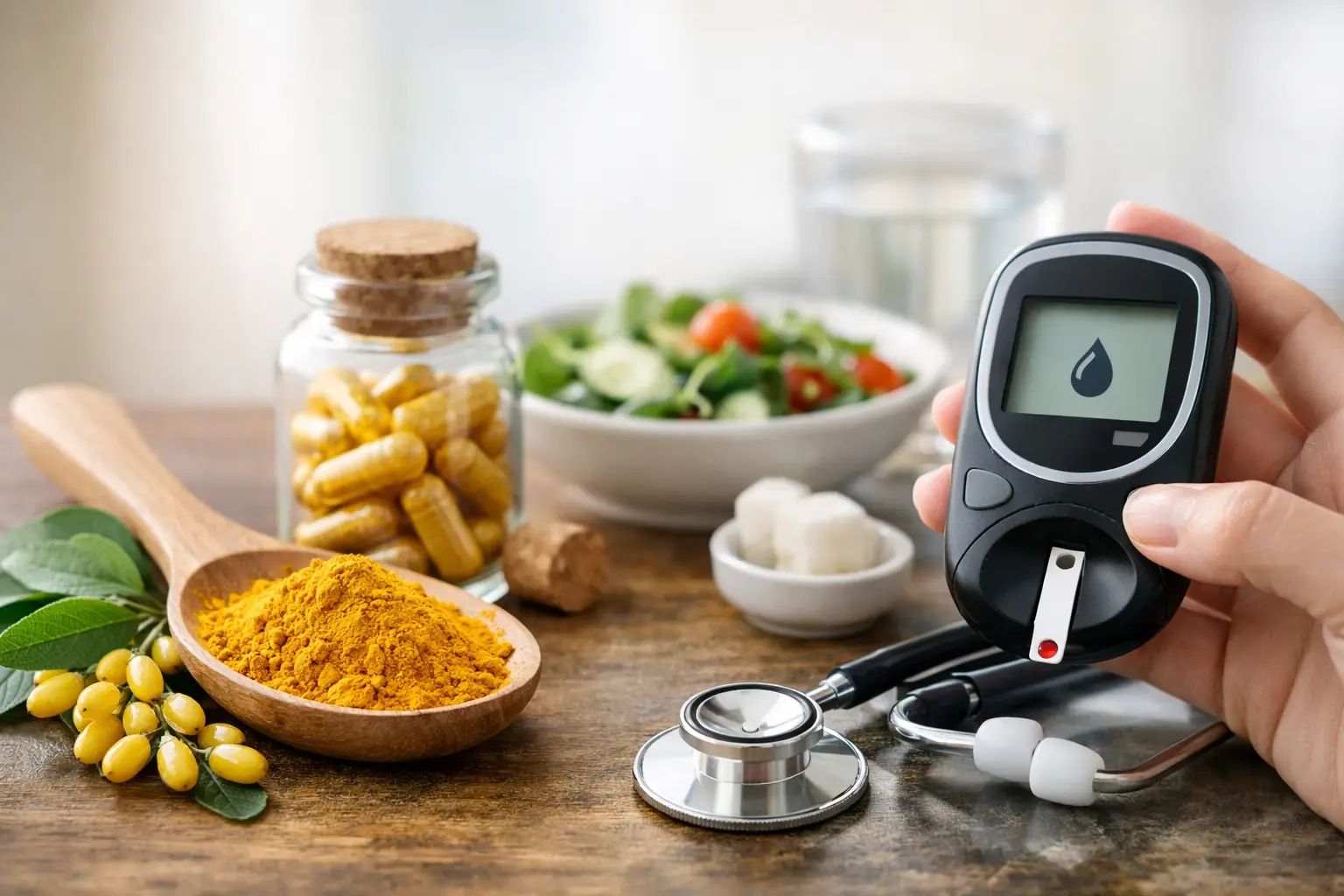
A late-afternoon energy dip is often treated as a willpower problem. More often, it is a signal to look at the larger rhythm of meals, movement, sleep, stress, and medical care. Interest in berberine benefits for glucose metabolism comes from a practical question: can a well-studied botanical be one supportive part of that rhythm?
The responsible answer is that it may be helpful for some adults, particularly alongside sustainable daily habits. Berberine is not a replacement for prescribed treatment, a reason to ignore blood glucose readings, or a shortcut around the fundamentals. Proof, not placeholders, means being clear about both its potential role and its limits.
What berberine is and why glucose metabolism matters
Berberine is a naturally occurring plant compound found in several botanicals, including barberry, goldenseal, and Oregon grape. In supplements, it is commonly provided as berberine HCl, a standardized form used in much of the human research.
Glucose metabolism describes how the body digests carbohydrates, moves glucose from the bloodstream into cells, stores or uses that energy, and regulates blood sugar between meals. It is influenced by far more than one meal or one ingredient. Sleep debt, sedentary time, stress, alcohol intake, medication use, meal composition, body weight, and underlying health conditions can all shape the picture.
That context matters because a supplement can support a process without solving every factor affecting it. For someone with diabetes, prediabetes, insulin resistance, or unexplained symptoms, individual medical guidance should lead the plan.
How berberine may support glucose metabolism
Research suggests berberine acts through several pathways involved in energy regulation. One frequently discussed mechanism is AMP-activated protein kinase, often called AMPK. This cellular signaling pathway helps the body respond to available energy and is involved in glucose uptake, fat metabolism, and liver glucose production.
Berberine may also influence insulin sensitivity and the way the liver manages glucose. Some clinical studies have found improvements in measures such as fasting blood glucose, hemoglobin A1C, or triglycerides among certain participants, especially those with elevated metabolic markers. Results vary by study design, dose, duration, baseline health, diet, and whether participants were also using medication.
This is why language matters. “May support healthy glucose metabolism” is meaningfully different from a promise to treat, reverse, or cure a metabolic condition. The first reflects a possible supportive role. The second exceeds what a supplement should claim.
What the research can and cannot tell us
Berberine has a more substantial research history than many trendy metabolic ingredients, but that does not make every study interchangeable. Trials differ in the form and amount of berberine used, the populations studied, and the habits participants followed at the same time. Some studies are relatively short, and long-term outcomes deserve continued study.
A meaningful result on a lab marker is not automatically the same as a meaningful outcome for every person. If you take medication, have a diagnosed condition, or monitor glucose at home, the safest approach is to bring supplement decisions into conversation with the clinician who knows your history.
The practical value of steadier daily inputs
The most useful way to think about berberine is not as a rescue tool after a high-sugar meal. It is better viewed as one possible layer in a consistent metabolic routine. A botanical cannot make up for chronically irregular sleep, meals that leave you ravenous two hours later, or a daily schedule with no room for movement.
Start with the ordinary actions that give glucose regulation a better environment. Build meals around protein and fiber-rich plants, add carbohydrates in portions that work for your needs, and take a short walk after eating when possible. A 10-minute walk is not a punishment for food. It is a repeatable way to support post-meal movement and restore your rhythm.
Sleep belongs in this conversation, too. Poor or inconsistent sleep can affect appetite, energy, and insulin sensitivity, making it harder to recognize what your body needs. Rather than trying to perfect everything at once, choose one evening cue: a consistent lights-out window, less screen exposure before bed, or a prepared breakfast that reduces rushed decisions the next morning.
Who should be especially careful with berberine
Natural does not mean consequence-free. Berberine can cause digestive discomfort in some people, including nausea, constipation, diarrhea, or abdominal cramping. Starting any new supplement deserves attention to how you feel, rather than a determination to push through symptoms.
Berberine may also interact with medications and can contribute to blood glucose becoming too low when combined with glucose-lowering drugs. This is particularly relevant for people using insulin, metformin, sulfonylureas, or other medications that affect blood sugar. It may also affect how the body processes certain prescription medicines.
Do not self-prescribe berberine if you are pregnant, breastfeeding, considering it for a child, managing liver or kidney disease, preparing for surgery, or taking multiple medications without first speaking with a qualified clinician or pharmacist. If your clinician recommends monitoring, track symptoms and readings consistently so the conversation is based on more than guesswork.
Choosing a supplement without the noise
Metabolic supplements are often sold with dramatic promises, stimulant-heavy formulas, and vague proprietary blends. Those tactics create urgency, not understanding. A quality standard should be easier to recognize.
Look for a label that clearly states the form of berberine and the amount per serving. Choose brands that explain the role of every ingredient, disclose manufacturing standards, and avoid claims that sound like medical guarantees. GMP-certified manufacturing is a meaningful baseline because it reflects quality-system requirements, though it does not by itself prove that a product is right for you.
Combination formulas require an additional layer of thought. Ingredients such as Ceylon cinnamon, ginger, milk thistle, and black seed may be included for complementary metabolic, digestive, or liver-wellness contexts, but more ingredients do not automatically mean better results. Ask whether each ingredient and its amount are disclosed, whether it fits your medication profile, and whether the formula is built for daily use rather than a temporary rush.
A non-stimulant approach can be especially useful for people who already feel wired, sleep poorly, or do not want their wellness routine tied to caffeine-driven energy claims. Stable routines tend to be more valuable than dramatic sensations.
A grounded way to evaluate your response
If you and your clinician decide berberine is appropriate, give the process enough structure to learn from it. Keep your meals and movement reasonably consistent instead of changing five variables on the same day. Notice digestive tolerance, sleep, hunger patterns, and any glucose readings your care team has asked you to track.
Consider a short weekly reflection: Did I eat in a way that supported steady energy? Did I move after at least a few meals? Did I protect my sleep window? Did anything feel different after adding this supplement? These questions move attention away from a single “miracle” ingredient and back toward the conditions that support health.
Berberine benefits for glucose metabolism: the right expectation
The most credible expectation is modest and personal. Berberine may support aspects of glucose metabolism for some adults, particularly when it is part of a physician-informed plan and paired with food, movement, sleep, and stress practices that can last beyond a motivated Monday.
No hype. No shortcuts. The goal is not to chase a perfect number or force a quick transformation. It is to build enough consistency that your body has a fair chance to show you what steadier care can feel like.