
THE COREVITAL JOURNAL
Botanical Supplements Versus Fat Burners
Botanical supplements versus fat burners: understand ingredients, trade-offs, and how a steady routine can support metabolic wellness over time with care.
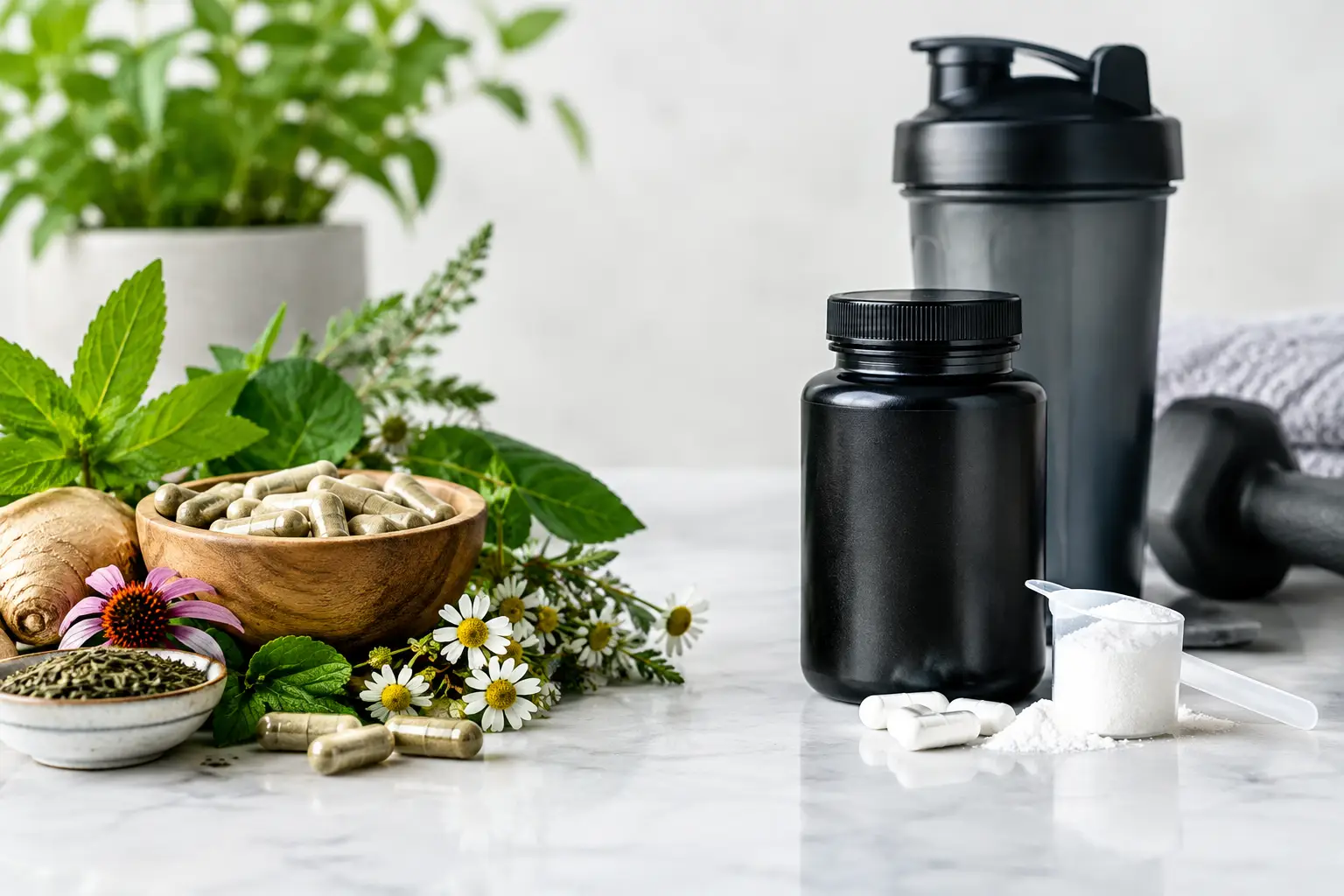
A supplement label can make two very different promises without saying so plainly. One product may imply a faster, hotter, more intense version of you. Another may be built to support the ordinary systems that shape how you feel over months: digestion, glucose metabolism, liver health, meals, sleep, and daily energy stability. That distinction is at the center of botanical supplements versus fat burners.
For people who are tired of the crash-and-repeat cycle, the question is not simply which bottle is “better.” It is what role you want a supplement to play. No hype. No shortcuts. Just a clear look at the trade-offs.
Botanical supplements versus fat burners: the real difference
Traditional fat burners are usually designed around stimulation. Their formulas may include caffeine, green tea extract, synephrine, yohimbe, or other ingredients intended to increase alertness, thermogenesis, or perceived energy. Some people feel an immediate effect, which can be compelling when motivation is low or a demanding day is ahead.
But an immediate feeling is not the same as meaningful metabolic support. Stimulant-heavy products can also bring jitters, anxiousness, digestive discomfort, headaches, disrupted sleep, elevated heart rate, or an afternoon crash. Individual response varies widely, especially for people who are caffeine-sensitive, managing blood pressure concerns, taking medication, or already carrying a high stress load.
Botanical supplements take a different path. Rather than trying to force a noticeable surge, they may use plant-derived compounds selected for specific wellness contexts, such as glucose metabolism, digestion, antioxidant activity, liver support, or inflammatory balance. The intended experience is often quieter. You may not feel a dramatic shift after one serving, and that is not a failure of the product. It reflects a different philosophy: support the rhythm rather than overpower it.
That does not make every botanical formula effective, or every fat burner inherently unsafe. Ingredient quality, dose, formulation, your health history, and your daily habits all matter. The useful distinction is purpose. Is the product asking your body to speed up, or is it designed to support the systems already doing the work?
Why “fat burner” is often a marketing category
The phrase “fat burner” sounds precise, but it is usually broader than the evidence behind it. Body-fat change is influenced by energy intake, activity, sleep, stress, medications, hormones, health conditions, and time. No capsule can responsibly promise to override those factors.
Some ingredients can modestly influence energy expenditure or appetite in specific settings. Yet the real-world effect may be small, temporary, or offset by poor sleep, increased hunger, reduced movement later in the day, or tolerance to stimulants. A product that leaves you too wired to sleep well may work against the very foundations of metabolic wellness.
This is where marketing often gets ahead of science. Dramatic claims, before-and-after imagery, proprietary blends, and urgency-based offers can make a routine product sound transformational. Trust should be earned in public: with disclosed ingredients, transparent amounts, responsible language, and clear limits on what a supplement can do.
What to look for in a botanical metabolic formula
A thoughtful botanical product should make it easy to understand what is inside and why. That begins with a full Supplement Facts panel rather than a proprietary blend that hides individual amounts. “Natural” alone is not a quality standard. Plants contain active compounds, and those compounds still deserve careful sourcing, dosing, and safety review.
Consider the role of the ingredients, not just the number of them. Berberine HCl, for example, is widely discussed in glucose-metabolism research, but it may interact with medications and is not appropriate for everyone. Ceylon cinnamon is often included in metabolic-wellness formulas and differs from cassia cinnamon in its naturally occurring coumarin content. Ginger extract may support digestive comfort, while milk thistle and black seed extract are commonly used in liver and broader wellness contexts.
These are not promises of treatment, weight loss, or disease prevention. They are examples of why formula design matters. A responsible brand explains the intended role of each ingredient without pretending that a long ingredient list is proof on its own.
Manufacturing matters as much as the label. Look for products made in GMP-certified facilities, tested according to stated quality practices, and sold by companies willing to answer direct questions. “Only when verified” should apply to sourcing, identity, purity, and the claims made around a formula.
The trade-off: noticeable energy versus sustainable consistency
There is a reason stimulant products remain popular. They can make a tired morning feel easier. For a healthy adult who tolerates caffeine well, a modest stimulant may have a place in a broader routine, particularly when used thoughtfully and not late in the day.
Still, many adults are not looking for more intensity. They are looking for steadier afternoons, fewer swings in appetite and energy, more comfortable digestion, and habits they can maintain when work, family, travel, and stress are all demanding attention. In that context, a non-stimulant botanical supplement may be the more practical fit.
The trade-off is patience. Botanical support is rarely dramatic, and it should not be sold as dramatic. It works best when paired with actions that create a stable metabolic environment: regular meals with adequate protein and fiber, movement you can repeat, a realistic bedtime, hydration, and room to recover from imperfect days.
CoreVital’s physician-guided approach reflects this standard. Its forthcoming Burn formula is built around disclosed, non-stimulant botanicals and paired with a 90-day Circle of Wellness because a supplement should support a practice, not replace one.
How to decide which approach fits you
Before choosing any metabolic supplement, ask a more useful question than “Will this make me lose weight quickly?” Ask, “What pattern am I trying to change?”
If you rely on several cups of coffee just to get through the day, a stronger stimulant product may add pressure rather than solve the problem. Review sleep, meal timing, stress, hydration, and whether you are eating enough during the day. If your concern is persistent digestive discomfort, unusual fatigue, blood-sugar changes, or unexplained weight change, a health professional should be part of the conversation before you add another supplement.
A botanical formula may be worth considering if you want non-stimulant support and understand that results are shaped by the routine around it. A stimulant-based product may be less appropriate if you are pregnant or nursing, sensitive to caffeine, have a heart-related condition, take medications that may interact, or have been advised to limit stimulants. Those are not minor footnotes. They are reasons to pause and seek individualized guidance.
For either category, introduce one new product at a time. Follow the label. Notice changes in sleep, digestion, mood, energy, and appetite over several weeks rather than judging a formula by one unusually busy day. If something feels wrong, stop taking it and speak with a qualified clinician.
A better standard for metabolic wellness
The most useful supplement is not necessarily the one that creates the strongest sensation. It is the one that fits safely into a life you can actually sustain. That may mean choosing a botanical formula with transparent roles and realistic expectations. It may mean deciding that your next best step is a medical conversation, a more consistent breakfast, or a 15-minute walk after dinner.
Metabolic wellness is built in ordinary mornings and repeated evenings, not in a rush of stimulation. Choose proof, not placeholders, and give your body the steady conditions it needs to restore its rhythm.