
THE COREVITAL JOURNAL
Are Nonstimulant Supplements Effective? The Evidence
Are nonstimulant supplements effective? Learn what evidence can support, where claims fall short, and how daily habits shape metabolic wellness over time.
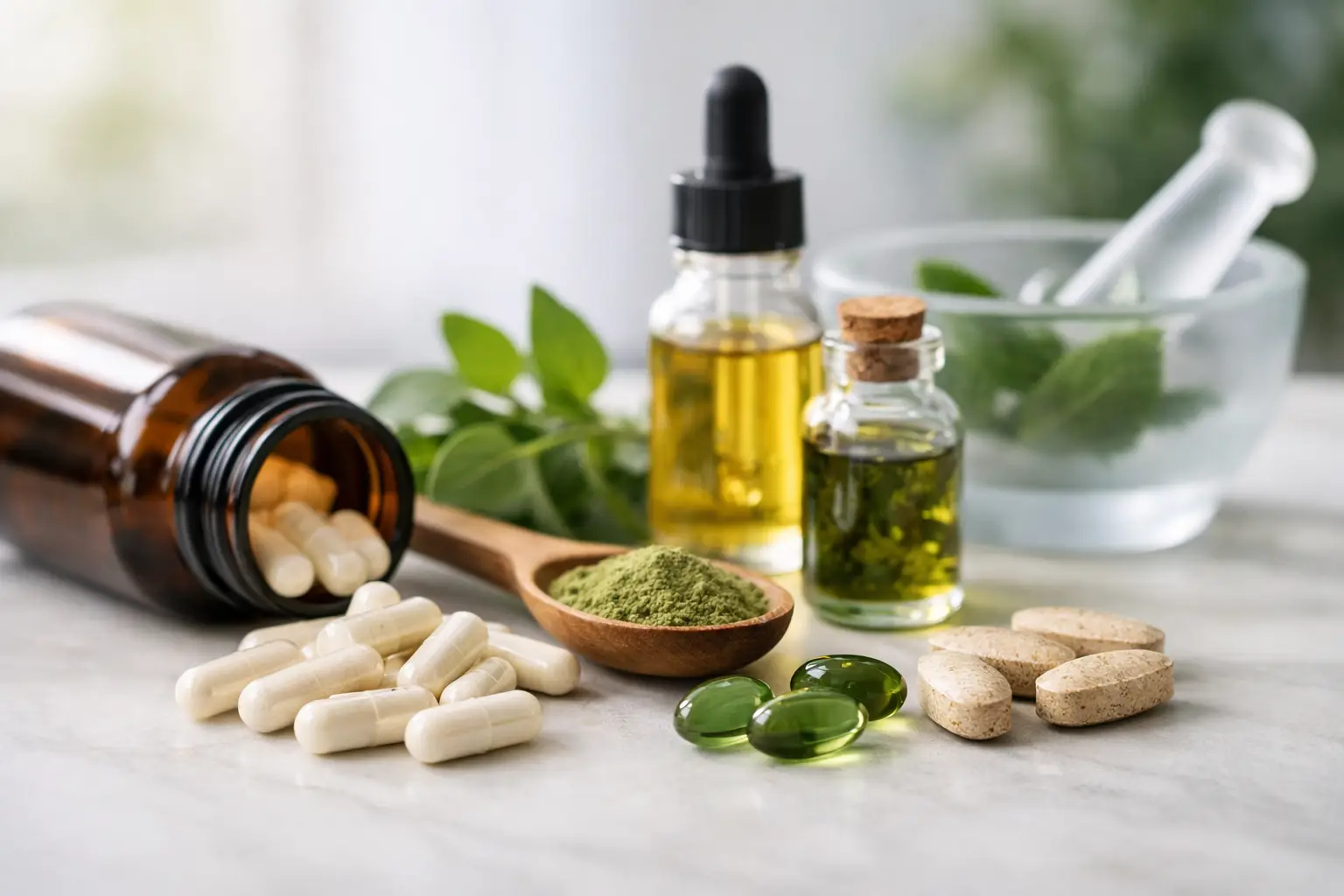
A product that makes you feel wired is easy to notice. A product designed to support steadier metabolic habits is harder to judge - and often more relevant to long-term wellness. So, are nonstimulant supplements effective? Sometimes, for specific purposes and in the right context. But effectiveness is not the same as a dramatic feeling, a fast result, or a replacement for medical care.
For people trying to move away from crash diets, afternoon energy swings, and stimulant-heavy routines, that distinction matters. A nonstimulant formula may support areas such as glucose metabolism, digestion, appetite routines, or liver wellness without pushing the nervous system into overdrive. The evidence, however, has to be evaluated ingredient by ingredient, dose by dose, and person by person.
What “effective” should mean with nonstimulant supplements
The word effective gets stretched beyond recognition in the supplement aisle. It can imply weight loss, energy, better lab values, fewer cravings, or simply feeling more in control of a daily routine. These are not interchangeable outcomes, and a responsible formula should not suggest that they are.
For a nonstimulant supplement, a more useful question is: effective for what, measured how, and alongside which daily practices? Some botanical compounds have research suggesting they can support certain metabolic markers or digestive functions. That does not mean every formula containing those compounds will produce the same outcome, nor does it mean the outcome will be meaningful for every person.
A supplement can also be effective without being immediately felt. Stimulants often create a clear short-term signal: alertness, a faster heartbeat, less fatigue, or a temporary reduction in appetite. Nonstimulant products generally work differently. If they are helpful, the change may show up as a more consistent routine, fewer digestive disruptions, steadier meal patterns, or progress that is best discussed alongside a clinician and, when appropriate, measured over time.
That slower, quieter role may be less marketable. It is also more honest.
Why nonstimulant support appeals to many adults
Caffeine and other stimulants are not inherently harmful for everyone. Many people tolerate coffee well and enjoy it as part of their day. The concern is what happens when a wellness product depends on stimulation to create the impression that it is working.
For someone already sleeping poorly, managing stress, experiencing palpitations, or drinking multiple cups of coffee to get through the afternoon, another stimulant can add noise rather than support. It may disrupt sleep, worsen jitteriness, or encourage a cycle of pushing through fatigue instead of addressing its source.
Nonstimulant supplements are often chosen for a different goal: supporting the systems that influence daily energy stability without making energy itself the product. That can include metabolic pathways, digestion, meal satisfaction, and the routines that protect sleep and recovery. Results may be gradual, but gradual does not mean insignificant.
Are nonstimulant supplements effective for metabolism?
They can be, but the answer depends heavily on the ingredients, the formulation, and the person taking them. “Nonstimulant” only tells you what a product does not contain. It does not establish quality, safety, or evidence.
Consider several ingredients commonly used in metabolic wellness formulas. Berberine has been studied for its potential role in glucose and lipid metabolism. Ceylon cinnamon has been researched in relation to blood sugar support, though findings vary by study design, cinnamon type, dose, and participant population. Ginger may support digestive comfort and has a long history of traditional use. Milk thistle and black seed extract are also subjects of ongoing research in liver, metabolic, and inflammatory wellness contexts.
These findings are promising in some settings, but promising is not proof of a guaranteed result. Studies may use a particular extract, dosage, duration, and participant group that does not match the product in your cabinet. Research may also show changes in a biomarker without proving a major change in how someone feels or functions day to day.
That is why transparent labeling matters. A consumer should be able to see every ingredient and its amount, understand its intended role, and ask meaningful questions. A proprietary blend that hides doses asks for trust without supplying the information needed to evaluate it. Trust should be earned in public.
What determines whether a formula has a fair chance to help
A thoughtful nonstimulant supplement is not a shortcut around the foundations of metabolic health. Its potential value is shaped by several practical factors:
- Ingredient identity and dose: The label should identify the specific ingredient form and amount. Botanical names alone are not enough when extract standardization or preparation can affect what a person is actually taking.
- Product quality: Manufacturing standards, appropriate testing, and clear disclosure reduce avoidable uncertainty. Supplements are not all made to the same standard.
- Consistency: Many botanical ingredients are studied over weeks or months, not a single day. Taking a product sporadically makes it difficult to assess either benefits or side effects.
- The surrounding routine: Sleep, food quality, protein and fiber intake, movement, stress, alcohol use, and medication adherence often have more influence on metabolic health than any one supplement.
This is not a lecture about perfection. It is a practical reality. A supplement may fit well into a stable routine, but it cannot reliably compensate for chronic sleep deprivation, highly irregular meals, or a medical condition that needs treatment.
The safety questions deserve equal attention
“Natural” does not mean risk-free, especially when a formula includes active botanicals. Nonstimulant products can still cause digestive side effects, affect blood sugar, or interact with medications. That is particularly relevant for people using medications for diabetes, blood pressure, blood clotting, cholesterol, or immune conditions.
Berberine, for example, may not be appropriate with certain prescription medications and may lower blood sugar in ways that require clinician guidance. Pregnancy and breastfeeding are also times to avoid self-prescribing botanical formulas unless a qualified healthcare professional says otherwise. People with a diagnosed liver condition, kidney disease, planned surgery, or a complex medical history should ask their clinician or pharmacist before starting a new supplement.
The same standard applies to symptom changes. Persistent fatigue, unexplained weight change, increased thirst, frequent urination, severe digestive symptoms, or chest discomfort are not problems to manage with a supplement alone. They are reasons to seek medical evaluation.
How to assess a nonstimulant supplement without hype
Start with the claim. Be wary of a product that promises to “melt fat,” repair metabolism, or work for everyone. Metabolic health is complex, and products that flatten that complexity into a guarantee are selling certainty, not evidence.
Then read the Supplement Facts panel rather than relying on the front label. Look for disclosed amounts, clear ingredient forms, and claims that match what the ingredients can reasonably support. A company should be willing to explain what each ingredient is included to do, as well as what it cannot be expected to do.
Finally, decide what success would look like before you begin. For one person, that might mean taking a daily walk after dinner more consistently because their routine feels easier to maintain. For another, it could mean discussing follow-up glucose or lipid testing with a clinician after a sustained period of lifestyle changes. Avoid judging a nonstimulant formula solely by whether it produces a sensation on day one.
CoreVital Nutraceuticals takes this approach with physician-guided, disclosed botanical roles and a broader Circle of Wellness built around meals, movement, sleep, digestion, stress, and reflection. The point is not to make a bottle carry the whole burden of change. It is to give daily practices a more supportive structure.
A better expectation: support, not rescue
Nonstimulant supplements may be effective when they are evidence-aware, appropriately formulated, used consistently, and matched to a person’s needs. They are less likely to help when the expectation is instant transformation or when they are used in place of food, sleep, movement, or medical care.
The most useful question may be less about whether a supplement can change everything and more about whether it supports the rhythm you are trying to restore. Choose proof, not placeholders. Give the basics enough time to work. Then let progress be built in ordinary mornings, ordinary meals, and the small decisions you can repeat.