
THE COREVITAL JOURNAL
Is Cinnamon Safe Daily? The Answer Depends
Is cinnamon safe daily? Learn how type, dose, liver health, and medication use shape a sensible daily cinnamon routine without relying on hype alone.
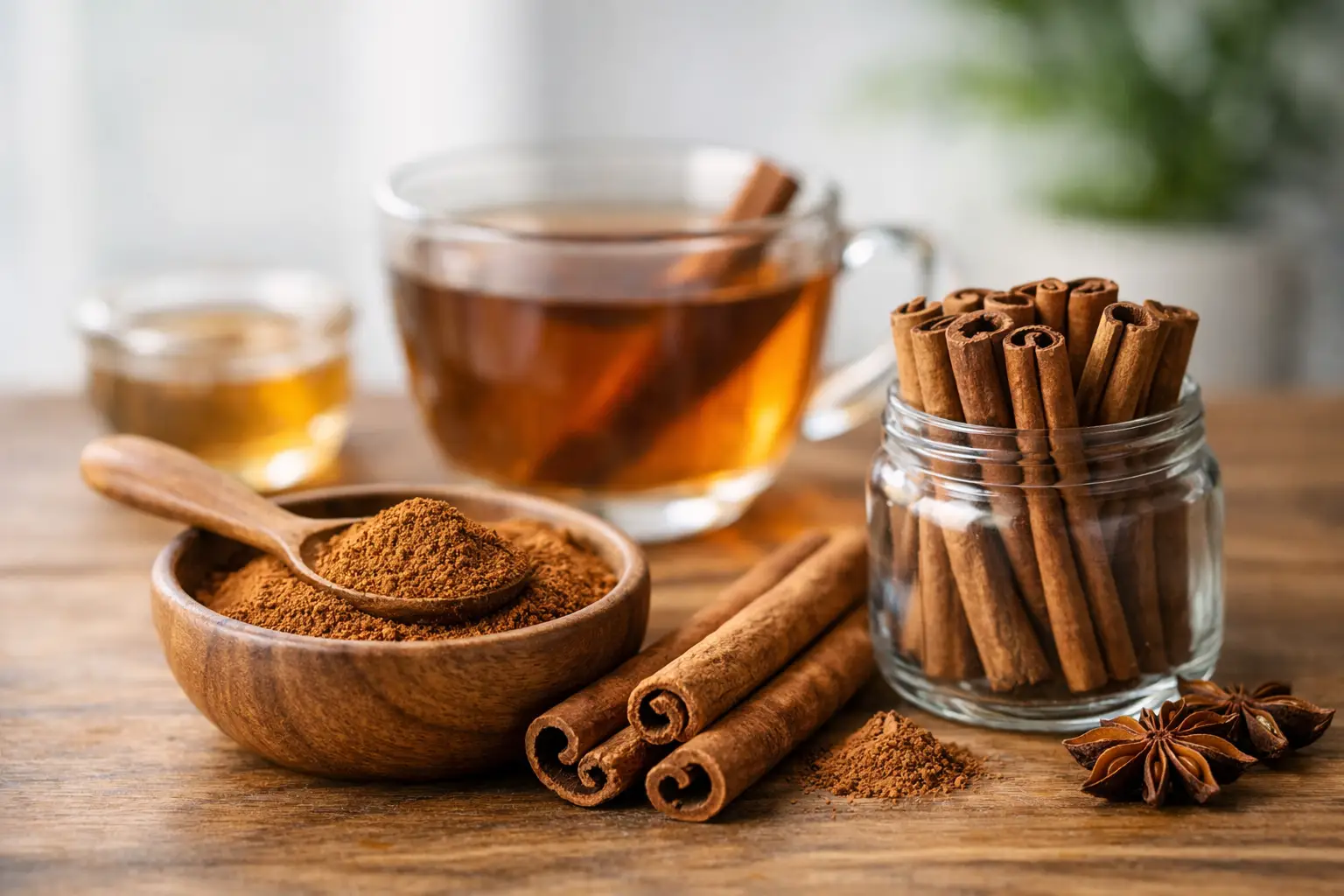
A spoonful of cinnamon in oatmeal may feel like one of the simplest wellness habits there is. But is cinnamon safe daily? For most healthy adults, culinary amounts are generally a reasonable part of a balanced eating pattern. The more useful answer, though, depends on the type of cinnamon, how much you use, whether you take it as a concentrated supplement, and the medications or health conditions already in the picture.
Cinnamon is not a shortcut for glucose management, weight change, or energy. It is a familiar spice with a long culinary history and a growing body of research around metabolic wellness. That distinction matters. Trust should be earned in public, with clear doses, clear limitations, and room for individual context.
Is Cinnamon Safe Daily at Food-Level Amounts?
Using cinnamon regularly in food is different from taking a high-dose capsule every day. A light dusting on yogurt, a teaspoon stirred into oats, or cinnamon used in cooking will usually provide a modest amount. For many people, that kind of habitual use is well tolerated.
The concern rises when daily intake becomes concentrated and unmeasured. Cinnamon powders, teas, tinctures, and capsules can vary widely in strength. A person may start with a small amount in coffee, then add a supplement marketed for metabolism or blood sugar support, without realizing that the total exposure is no longer culinary.
Daily use also deserves more care when it is replacing appropriate medical treatment. If you have diabetes, prediabetes, liver disease, or unexplained symptoms, cinnamon should not become a reason to postpone a conversation with your clinician. A daily practice works best when it supports the basics: consistent meals, fiber-rich foods, movement, sleep, stress management, and prescribed care when needed.
The Key Difference: Ceylon vs. Cassia Cinnamon
Not all cinnamon is the same. The two names most consumers encounter are Ceylon cinnamon and cassia cinnamon.
Ceylon cinnamon, often called “true cinnamon,” is typically lighter in color and has a softer, more delicate flavor. Cassia is the more common cinnamon in many US grocery stores. It has a stronger flavor, is often less expensive, and is the form most likely to appear in standard ground cinnamon products.
The practical difference is coumarin. Coumarin is a naturally occurring compound found at much higher levels in cassia cinnamon than in Ceylon cinnamon. In susceptible people, large or repeated coumarin exposure may place added strain on the liver. That does not mean every serving of cassia cinnamon is dangerous. It means the type matters more as intake becomes frequent, high-dose, or supplement-based.
For someone who wants cinnamon as a steady daily ingredient, Ceylon is often the more cautious choice, especially when use goes beyond normal cooking. It is not a permission slip to take unlimited amounts. It is simply a better fit for a consistent routine where long-term exposure matters.
Why supplement labels deserve a closer look
A label that says “cinnamon” does not always explain the species, the plant part, the extract ratio, or the amount of coumarin present. That leaves consumers to fill in gaps that should have been addressed before the bottle reached the shelf.
Ingredient transparency is not a marketing detail. It is part of safety. A responsible product should identify the form of cinnamon and state the dose plainly, rather than hiding meaningful quantities behind a proprietary blend. Proof, not placeholders, is a reasonable standard for any botanical you plan to take day after day.
How Much Cinnamon Is Too Much?
There is no single daily cinnamon amount that is right for every adult. Body size, cinnamon type, total diet, liver function, and medication use can all change the calculation. Research studies also use different preparations and doses, so a study result does not automatically translate into a practical at-home routine.
A conservative approach is simple: keep everyday culinary use modest, avoid escalating your dose because you want faster results, and be especially careful with cassia-based powders and supplements. More is not inherently more effective. With botanicals, higher doses can increase the chance of side effects without producing a proportionate benefit.
If you use cinnamon regularly, choose one consistent source rather than layering several products. For example, taking a cinnamon capsule while also using cinnamon tea, cinnamon gummies, and multiple teaspoons of powder makes it harder to understand your actual intake. Consistency is useful. Untracked accumulation is not.
Who Should Talk With a Clinician First?
Cinnamon may be familiar, but familiar does not mean universally appropriate. A clinician or pharmacist can help assess daily use if you have liver disease or a history of elevated liver enzymes, take medications that affect blood sugar, or use anticoagulant or antiplatelet medication.
This conversation is also worthwhile for people who are pregnant or breastfeeding, preparing for surgery, managing a bleeding disorder, or considering cinnamon for a child. The goal is not to make ordinary food feel frightening. It is to recognize that concentrated botanicals can interact with real health circumstances.
People using glucose-lowering medication deserve particular care. Cinnamon has been studied for potential effects related to glucose metabolism, but findings are mixed and effects can vary. Combining a supplement with medication may increase the possibility of blood sugar falling too low for some people. Monitoring and individualized medical guidance matter more than a confident label claim.
Stop using a cinnamon supplement and seek medical guidance if you notice symptoms that could suggest a problem, such as unusual fatigue, persistent nausea, dark urine, yellowing of the skin or eyes, easy bruising, or signs of an allergic reaction. Those symptoms have many possible causes, but they are not a reason to keep experimenting on your own.
A Better Way to Build a Daily Cinnamon Habit
The most sustainable cinnamon routine is usually the least dramatic one. Use a measured amount of Ceylon cinnamon in meals you already enjoy, such as oats, plain Greek yogurt, chia pudding, roasted squash, or a protein-forward smoothie. Pair it with foods that support satiety and steady energy rather than treating it as a fix for a high-sugar meal.
Notice how the habit fits your broader rhythm. Are you eating enough protein and fiber at breakfast? Are afternoon cravings tied to a rushed lunch, poor sleep, or long gaps between meals? Cinnamon can add flavor and may have a place in a thoughtful metabolic wellness routine, but it cannot carry the work of those foundations.
For those considering a formulated product, quality controls matter alongside ingredients. CoreVital’s approach to botanicals begins with a simple principle: explain why an ingredient is included, disclose what it is, and avoid making it do more on paper than evidence can support. A physician-guided formula should make room for both potential benefits and clear safety boundaries.
The Bottom Line on Daily Use
Cinnamon can be a sensible daily culinary habit for many adults, particularly when the amount is modest and the source is known. Ceylon cinnamon is generally the more prudent option for frequent use because it contains far less coumarin than cassia. High-dose use, unclear labels, liver concerns, and medication interactions all call for more caution.
A daily wellness practice should make your life more grounded, not more complicated. Let cinnamon be one small, enjoyable part of meals and routines that help you restore your rhythm - and let your health history, not wellness hype, determine how far you take it.