
THE COREVITAL JOURNAL
Can Supplements Replace Healthy Meals? The Honest Answer
Can supplements replace healthy meals? Learn where vitamins and botanicals fit, why food still matters, and how to build a steadier daily wellness rhythm.
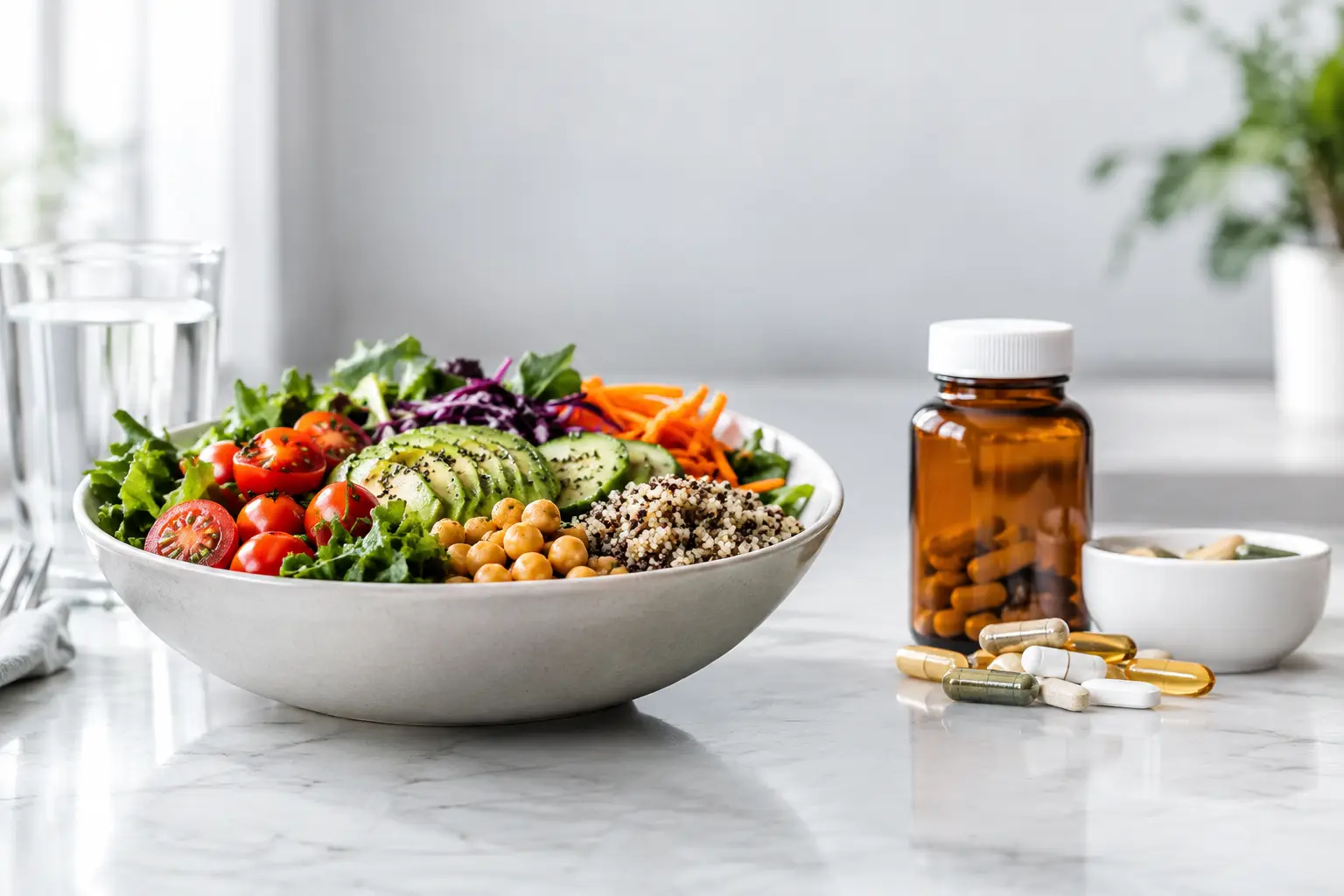
A capsule may fit neatly beside your coffee. A balanced meal rarely fits that neatly into a demanding morning. That convenience is why people reasonably ask, can supplements replace healthy meals when work, caregiving, travel, and stress make consistent eating difficult?
The honest answer is no. Supplements can help address specific nutritional gaps and support certain wellness goals, but they do not reproduce the full work of food. They are designed to supplement a diet, not stand in for one. That distinction is not a marketing technicality. It is the foundation of a responsible wellness practice.
Why healthy meals do more than deliver nutrients
Food is not simply a delivery system for vitamins, minerals, protein, or calories. A meal brings nutrients together in a physical structure that affects how we digest, absorb, and use them. Fiber slows digestion and supports regularity. Protein helps with satiety and provides amino acids for essential functions. Dietary fats help the body absorb fat-soluble vitamins and contribute to satisfaction after eating.
Whole and minimally processed foods also contain naturally occurring compounds that are difficult to isolate, standardize, or fully account for in a pill. A bowl of beans, vegetables, olive oil, and brown rice offers fiber, plant compounds, minerals, carbohydrates, and texture that influence fullness and glucose response. A supplement may contain one or several relevant ingredients, but it cannot recreate that entire context.
Meals matter socially and behaviorally, too. Preparing food can create a pause in an overstimulated day. Eating at a table rather than grazing through meetings may make it easier to notice hunger and fullness. Those practices are not perfect or available every day, but they are part of the rhythm that supports long-term health.
Can supplements replace healthy meals in any situation?
There are situations where a supplement or fortified product can be useful when meals fall short. A clinician may recommend vitamin D, vitamin B12, iron, calcium, folate, or another nutrient based on lab work, life stage, medication use, dietary pattern, or a diagnosed deficiency. People who follow restrictive diets, have absorption concerns, are pregnant, or have medically directed nutrition needs may benefit from individualized guidance.
Meal replacement shakes can also be practical in limited circumstances. For someone who would otherwise skip breakfast entirely, a nutritionally balanced shake with adequate protein and fiber may be a more supportive option than running on coffee alone. During illness, travel, or a temporary period of reduced appetite, convenient nutrition has a role.
But temporary support is different from a long-term replacement strategy. Relying on powders, bars, or capsules for most meals can leave important gaps in fiber, food variety, satisfaction, and the simple skill of feeding yourself consistently. The question is not whether convenience is allowed. It is whether convenience is helping you return to a sustainable pattern or quietly replacing it.
What supplements can realistically do
A well-formulated supplement can have a meaningful but narrower role. It may help fill a documented nutrient gap, support a wellness routine, or provide a standardized amount of a botanical ingredient that would be difficult to get from food alone. That can be valuable, especially when the formula is transparent about what it contains and what it is intended to support.
For metabolic wellness, some people explore botanicals such as berberine, Ceylon cinnamon, ginger, milk thistle, or black seed extract. These ingredients have research histories that justify careful interest, yet interest is not the same as a guarantee. Their effects can vary by dose, preparation, health status, medications, diet, sleep, and consistency of use.
A supplement should never promise to erase the effects of chronically poor intake, inactivity, inadequate sleep, or unmanaged stress. No hype. No shortcuts. If a product suggests it can replace real meals or compensate for every other part of health, that is a reason to step back.
Food first does not mean food only
“Food first” can be helpful advice, but it is sometimes used in a way that dismisses real constraints. Not everyone has time to cook every meal. Not everyone has equal access to fresh food, predictable schedules, or a kitchen that supports elaborate preparation. A person managing a health condition may need more than general nutrition advice.
A better standard is food-centered, not food-perfect. Build meals around what is realistic, repeatable, and nourishing enough for your actual life. Then consider supplements as a supporting tool when there is a clear reason for them.
For many adults, that could mean starting with a few dependable choices: eggs or Greek yogurt with fruit in the morning; a prepared salad supplemented with chicken, tofu, beans, or salmon at lunch; or a simple dinner of frozen vegetables, a protein source, and a high-fiber carbohydrate. The goal is not culinary performance. It is a steadier foundation.
A practical way to use supplements without outsourcing your nutrition
Before adding a supplement, ask what problem you are trying to solve. Are you concerned about a nutrient deficiency? Do afternoon energy crashes follow a light breakfast and a rushed lunch? Are you looking for metabolic support while working on meal consistency, movement, sleep, and stress? A clear question produces a more useful decision than buying the most persuasive label.
Next, look at the formula with the same care you would bring to a food label. Transparent products disclose ingredient amounts rather than hiding behind proprietary blends. They explain the intended role of each ingredient without claiming to diagnose, treat, cure, or prevent disease. They are manufactured to appropriate quality standards and encourage medical guidance when needed.
Then give the supplement a place in an existing routine. Taking it with a regular meal may be more sustainable than creating another complicated rule. Pairing it with a small daily practice - such as adding a vegetable at lunch, taking a 10-minute walk after dinner, or preparing tomorrow’s breakfast before bed - keeps the focus where it belongs: the pattern, not the pill.
CoreVital’s approach to physician-guided botanical support follows this principle. A transparent formula can be one part of a broader practice, but its value is inseparable from the ordinary choices around it.
When to speak with a clinician first
Supplements are not automatically harmless because they are sold over the counter or derived from plants. Botanicals and concentrated nutrients can interact with prescription medications, affect blood glucose, alter blood pressure, or be inappropriate for certain health conditions. This is particularly relevant for people who are pregnant or breastfeeding, have liver or kidney concerns, are preparing for surgery, or use medications for diabetes, blood pressure, blood thinning, or mental health.
If you have unexplained fatigue, digestive changes, unintentional weight change, frequent dizziness, or concerns about blood sugar, do not assume a supplement is the answer. Those symptoms deserve appropriate clinical attention. Lab testing and a conversation with a qualified healthcare professional can identify whether a specific nutrient need or another issue is present.
The meal is still the main event
Supplements can be useful. Healthy meals remain irreplaceable. The most credible role for a supplement is not to stand where food should be, but to support a thoughtful plan when food alone does not meet every need.
Start with the next meal rather than the perfect plan: include a source of protein, add color or fiber where you can, eat enough to carry you through the next part of your day, and let consistency do its quiet work. That is how you restore your rhythm - one ordinary, nourishing choice at a time.