
THE COREVITAL JOURNAL
Ginger Extract for Digestive Support Explained
Learn how ginger extract for digestive support may fit a steady wellness routine, what research suggests, and when to speak with your clinician before use.
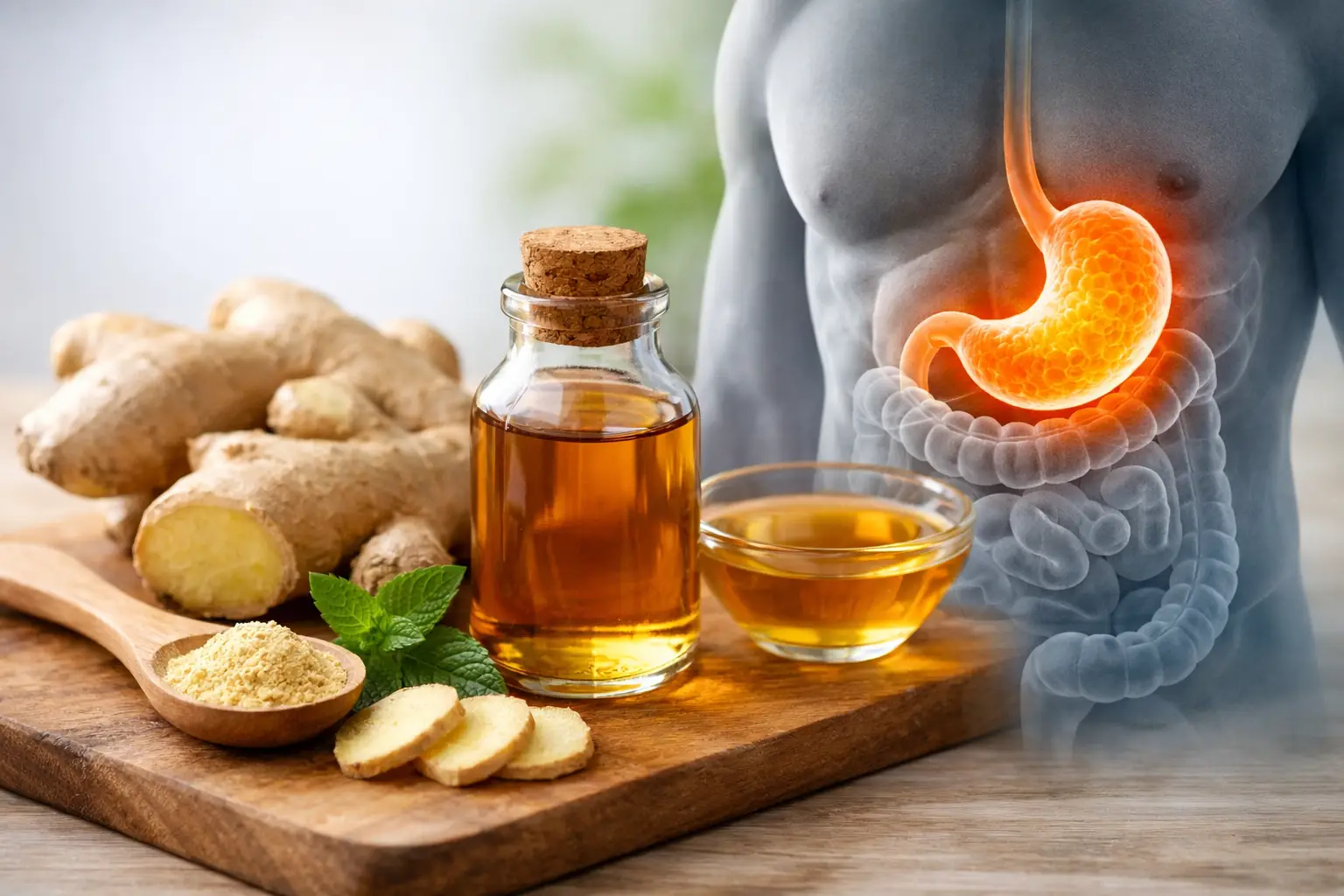
A meal that sits heavily, a familiar wave of nausea, or persistent post-meal discomfort can make ordinary routines feel less ordinary. Ginger extract for digestive support is often considered because it has a long history of culinary and traditional use, and because modern research offers a plausible explanation for some of its effects. But a familiar ingredient is not the same thing as a cure-all.
At CoreVital, we believe trust should be earned in public. That means being clear about what ginger may support, where the evidence is stronger, and why digestion still depends on the full pattern of meals, movement, stress, sleep, medications, and medical care. Ginger can be a useful part of a well-designed routine. It should not be asked to carry the entire routine alone.
What Ginger Extract Is
Ginger comes from the underground stem, or rhizome, of the Zingiber officinale plant. Fresh ginger, dried ginger powder, tea, and concentrated extracts all come from the same plant, but they are not interchangeable. Their strength, active-compound profile, and serving size can vary substantially.
A standardized ginger extract is generally used to provide a more consistent amount of ginger’s naturally occurring compounds, including gingerols and shogaols. These compounds are being studied for their effects on digestive function, inflammation-related pathways, and nausea signaling. “Standardized” does not automatically mean better for every person, but it can make a formula easier to understand and evaluate.
This distinction matters when reading a supplement label. The useful questions are not just whether ginger is present. They include which form is used, how much is provided per serving, whether the full formula is disclosed, and whether the product is made under quality manufacturing standards. Proof, not placeholders.
Where Ginger Extract for Digestive Support May Help
The clearest area of research for ginger is nausea. Studies have explored ginger in several settings, including pregnancy-related nausea, postoperative nausea, and nausea associated with certain medical treatments. Results vary by population, dose, and preparation, but ginger may help some people manage mild nausea.
Digestive comfort is a broader category. Preliminary and small clinical studies suggest ginger may support gastric motility, meaning the movement of food from the stomach into the small intestine. For someone who occasionally feels overly full after eating, that mechanism is relevant. It does not mean ginger can diagnose or treat the cause of chronic fullness, pain, reflux, or bloating.
Ginger may also support digestion by encouraging a more comfortable relationship with meals. A warm ginger tea after a rich dinner, for example, can be a calming ritual in its own right. The ritual is not trivial. Slowing down, sitting upright after eating, and paying attention to meal size can all influence how digestion feels.
Still, the evidence does not support broad promises that ginger “fixes the gut,” eliminates bloating, or melts away abdominal discomfort. Bloating can arise from many causes, from eating quickly and constipation to food intolerances, medication effects, irritable bowel syndrome, or conditions that need clinical evaluation. The right next step depends on the pattern.
Why Form and Dose Matter
A cup of ginger tea may be appropriate for one person, while a concentrated extract may better suit another person’s supplement routine. Neither form is universally superior. Tea is gentler, hydrating, and easy to make part of an evening habit. Extracts can offer consistency and convenience, particularly when used in a transparent multi-ingredient formula.
More is not necessarily more helpful. Higher amounts may increase the likelihood of heartburn, stomach upset, or loose stools in some people. Those who already experience reflux may find that ginger feels soothing, irritating, or neither. Individual response matters more than a one-size-fits-all rule.
When introducing a ginger-containing supplement, give yourself time to notice how you feel. Taking it as directed and alongside food, if the label recommends it, is a practical starting point. Avoid adding several new digestive products at once. If symptoms change, you will have a clearer sense of what may be contributing.
Ginger Is One Tool, Not the Whole Digestive Plan
Digestion is responsive to daily rhythm. A supplement cannot fully offset rushed meals, irregular sleep, low fiber intake, long sedentary stretches, or ongoing stress. That is not a reason to aim for perfection. It is a reason to choose a few practices that fit real life.
Start with the meal environment. Taking a few slower breaths before eating, sitting down when possible, and giving yourself enough time to chew can support a calmer eating pace. Then consider the structure of the meal itself. Regular meals with adequate protein, fiber-rich plant foods, and fluids may be more supportive than swinging between restriction and oversized catch-up meals.
Gentle movement can help, too. A short walk after a meal is not a punishment or a performance metric. For many people, it is simply a practical way to support comfort and glucose awareness while creating a transition between the meal and the rest of the day.
These ordinary practices are central to the Circle of Wellness approach: restore your rhythm through repeatable choices, not dramatic resets. Ginger may have a role in that rhythm, especially for people seeking a non-stimulant botanical approach to daily metabolic and digestive wellness. It works best in context.
When to Be Careful With Ginger
Natural does not mean risk-free. Ginger is commonly well tolerated in food and supplement amounts, yet it may not be right for everyone. People who use blood-thinning or antiplatelet medications should speak with a clinician or pharmacist before using concentrated ginger supplements, because ginger may affect blood clotting pathways. The same caution applies to anyone preparing for surgery.
If you take medications for diabetes or blood pressure, it is also wise to ask your prescribing clinician about a new botanical supplement. Ginger may have modest effects relevant to glucose or blood pressure in some settings, and the full medication picture matters. This is especially true with multi-ingredient products.
Pregnancy, gallbladder disease, a history of bleeding concerns, and ongoing gastrointestinal conditions are additional reasons to seek individualized guidance. Food-level ginger is different from a concentrated extract, but either can be worth discussing depending on your situation.
Persistent or worsening symptoms deserve attention beyond a supplement aisle. Contact a healthcare professional for severe abdominal pain, unexplained weight loss, trouble swallowing, vomiting, black or bloody stools, fever, jaundice, or a meaningful change in bowel habits. These are not problems to self-manage with ginger.
How to Choose a Ginger Supplement With Clear Standards
The label should make it possible to understand what you are taking. Look for the exact amount of ginger extract per serving and avoid products that conceal ingredient quantities inside a proprietary blend. A transparent formula gives you and your clinician a more useful starting point for assessing fit and tolerance.
Manufacturing matters as well. Supplements are not evaluated like prescription drugs before they reach consumers, so responsible brands should communicate their quality practices plainly. GMP-certified manufacturing, full formula disclosure, and restrained claims are meaningful signals. They do not guarantee a personal outcome, but they show whether a company is willing to be accountable for the basics.
Finally, be wary of language that treats digestive discomfort as a character flaw or promises a fast reset. Your body is not a problem to be rushed. A credible supplement should support informed choices, not create pressure.
The most useful question is not, “Will ginger solve everything?” It is, “Could this be one appropriate tool in a routine I can actually sustain?” For many people, that question leads back to the same foundation: observe your symptoms, choose transparent products, keep the habits simple, and bring in qualified care when your body asks for more than self-guidance.