
THE COREVITAL JOURNAL
Choosing a Plant Based Metabolic Support Supplement
Choose a plant based metabolic support supplement with clear ingredients, realistic expectations, and daily habits that support steady wellness over time.
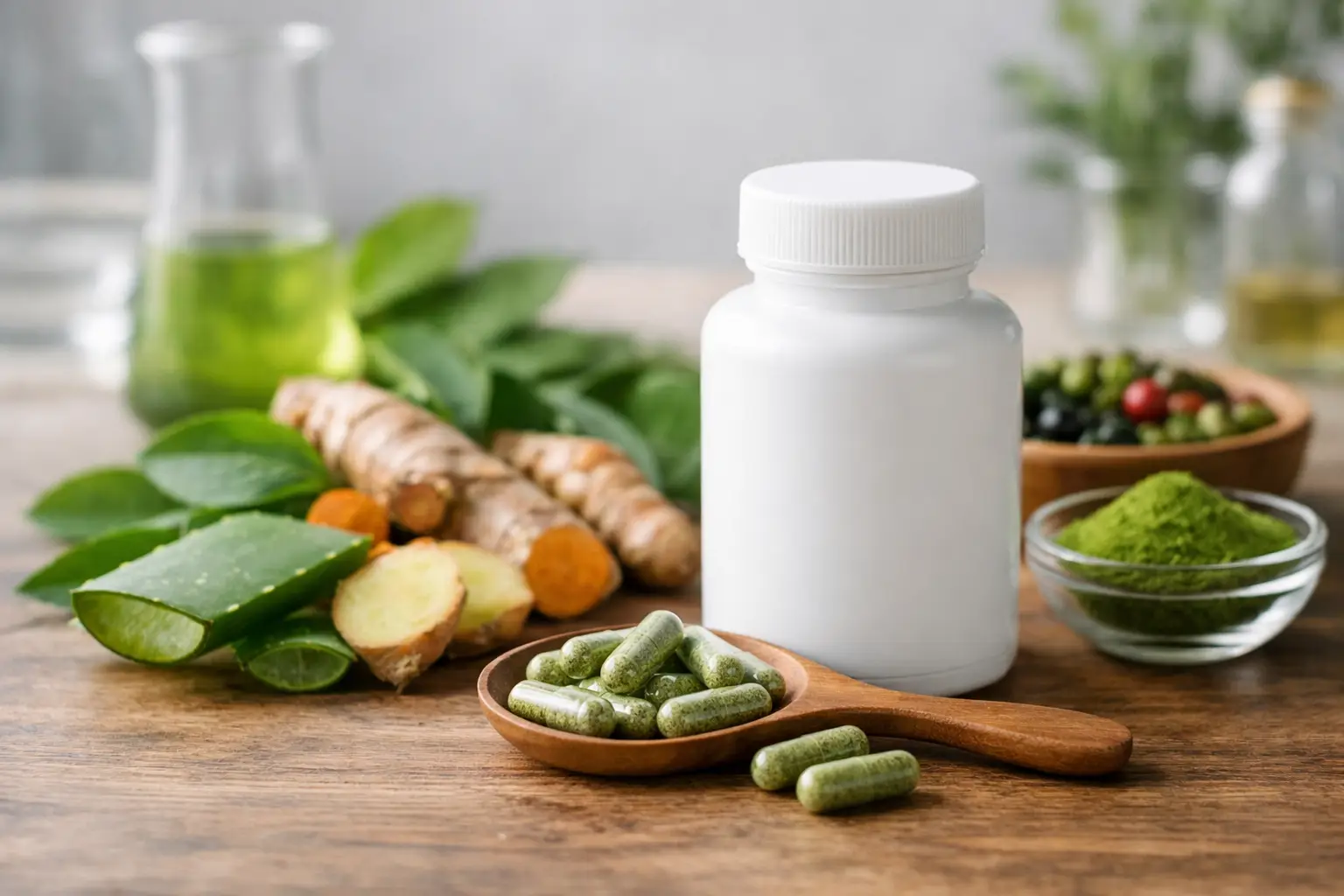
The 3 p.m. slump, unpredictable hunger, and sense that your routine has lost its rhythm rarely have one simple cause. A plant based metabolic support supplement may be a thoughtful addition for adults seeking steadier daily wellness, but it should not be sold as a shortcut, a stimulant substitute, or a promise of dramatic change.
Metabolic wellness is built in ordinary moments: the breakfast that keeps you satisfied, the walk you take after dinner, the bedtime you protect more often than not. Supplements can have a place in that picture when their ingredients are clearly disclosed, their intended roles are explained honestly, and their use fits your personal health needs.
What a Plant Based Metabolic Support Supplement Can Do
The phrase can mean many things, which is exactly why shoppers should look beyond the front label. In a responsible formulation, plant-based metabolic support refers to botanicals chosen to complement healthy glucose-metabolism, digestive, liver, and daily energy routines without leaning on caffeine or aggressive stimulant blends.
That distinction matters. Many products marketed for metabolism rely on a rush of caffeine, green tea extracts, or proprietary blends that make people feel energized in the short term. Feeling wired is not the same as supporting metabolic health. For some people, stimulant-heavy formulas can also interfere with sleep, increase jitters, or amplify an already stressful day. Sleep and stress are not side notes in metabolic wellness. They are part of the foundation.
A non-stimulant botanical formula takes a different approach. Its purpose is to support the systems involved in everyday metabolic balance while allowing you to pay attention to the practices that make those systems more resilient over time. Results, if noticed, are individual and usually depend on the full context: food patterns, movement, sleep, stress, medications, health history, and consistency.
Start With the Label, Not the Marketing
Trust should be earned in public. That starts with a label that lets you see exactly what you are taking and how much of each ingredient is included.
Avoid treating a long ingredient list as proof of quality. A formula can contain many recognizable botanicals and still leave important questions unanswered. If amounts are hidden inside a proprietary blend, you cannot meaningfully assess the formula, discuss it with a clinician, or compare it with research. Transparency is not a marketing extra. It is a practical safety standard.
Look for the botanical form as well as the ingredient name. For example, an extract may be standardized differently than a whole herb powder. A quality label should identify the active ingredient or extract form, serving size, and any relevant cautions. It should also make clear whether the product contains stimulants, common allergens, or ingredients that may overlap with medications.
Manufacturing matters, too. Supplements are not interchangeable simply because they share a few ingredients. GMP-certified US manufacturing, quality testing, and straightforward lot-level accountability are signs that a company takes the space between a promising idea and a finished bottle seriously.
Understand Ingredient Roles Without Overpromising
Ingredient education should be specific enough to be useful and measured enough to remain true. Research on botanicals can be encouraging, but study findings do not guarantee the same outcome for every person or product.
Berberine HCl is often included in metabolic formulas because it has been studied in relation to glucose and lipid metabolism. It is also an ingredient that deserves care. Berberine may interact with medications and may not be appropriate during pregnancy or breastfeeding. Anyone managing diabetes, taking prescription medication, or working through a chronic condition should speak with a qualified clinician before using it.
Ceylon cinnamon is valued both as a culinary spice and as a botanical studied in glucose-metabolism contexts. Choosing Ceylon cinnamon rather than cassia cinnamon can be a considered formulation decision, particularly for regular use, because the two varieties differ in naturally occurring coumarin content.
Milk thistle is commonly used in liver-wellness formulations. The liver plays a central role in metabolic processes, but liver support should never become a vague claim that replaces medical evaluation. Persistent fatigue, digestive discomfort, unexplained changes in weight, or abnormal lab results call for clinical attention, not self-treatment.
Ginger extract may support digestive comfort for some people and has a long history of traditional use. Black seed extract, derived from Nigella sativa, has also drawn interest in wellness research related to metabolic and inflammatory pathways. Both are worth discussing in their actual context: supportive botanicals, not stand-alone solutions.
When these ingredients are combined, the right question is not, “Will this transform me?” A better question is, “Does this formula have a clear purpose, disclosed doses, and a role that fits the habits I am already building?” Proof, not placeholders.
Match the Supplement to Your Actual Routine
A supplement that requires a perfect life is not practical support. The better choice is one you can use consistently, as directed, within a routine that already has natural anchors. For many people, that may be a meal-time habit, paired with water and a brief check-in on how they feel.
Start with one or two observations rather than trying to change everything at once. Notice whether your meals include protein and fiber, whether you are going long stretches without food and then overeating, or whether your afternoon energy changes after a short walk. These patterns provide more useful information than an all-or-nothing reset.
Metabolic wellness also responds to what happens after the bottle is put away. A few minutes of movement after meals, a more consistent sleep window, and meals built around whole foods can support the same larger goal: a steadier rhythm. None of these practices needs to be extreme to be meaningful.
CoreVital approaches this through a physician-guided, non-stimulant formula and a 90-day Circle of Wellness centered on sleep, movement, meals, digestion, stress, and reflection. That broader framework matters because sustainable health practices are learned through repetition, not pressure.
Know When to Pause and Ask a Clinician
Botanical does not automatically mean appropriate for everyone. This is especially relevant for products formulated around glucose-metabolism support. A supplement may change how your body responds alongside prescription medicines, and that possibility should be handled with care.
Speak with your physician, pharmacist, or another qualified healthcare professional before starting a metabolic support supplement if you take medication for blood sugar, blood pressure, cholesterol, blood clotting, or liver conditions. The same applies if you are pregnant, breastfeeding, preparing for surgery, or have a diagnosed medical condition. If you experience unwanted effects after beginning a supplement, stop using it and seek professional guidance.
A responsible brand will not frame these safeguards as fine print. It will make space for them because your health history matters more than a sale.
Choose Consistency Over Intensity
The supplement category often asks people to choose intensity: more energy, faster change, harder rules. But metabolic wellness is usually better served by a quieter standard. Choose a formula you understand. Choose claims that leave room for individual differences. Choose routines that make you feel more capable of caring for yourself, not more dependent on a product.
Your next ordinary morning is a useful place to begin: eat a meal that satisfies you, take a few unhurried minutes to move, and make one decision that supports the rhythm you want to keep.