
THE COREVITAL JOURNAL
A Guide to Non Stimulant Ingredients, Clearly
Use this guide to non stimulant ingredients to understand formula roles, evidence limits, safety questions, and how to choose support without the crash.
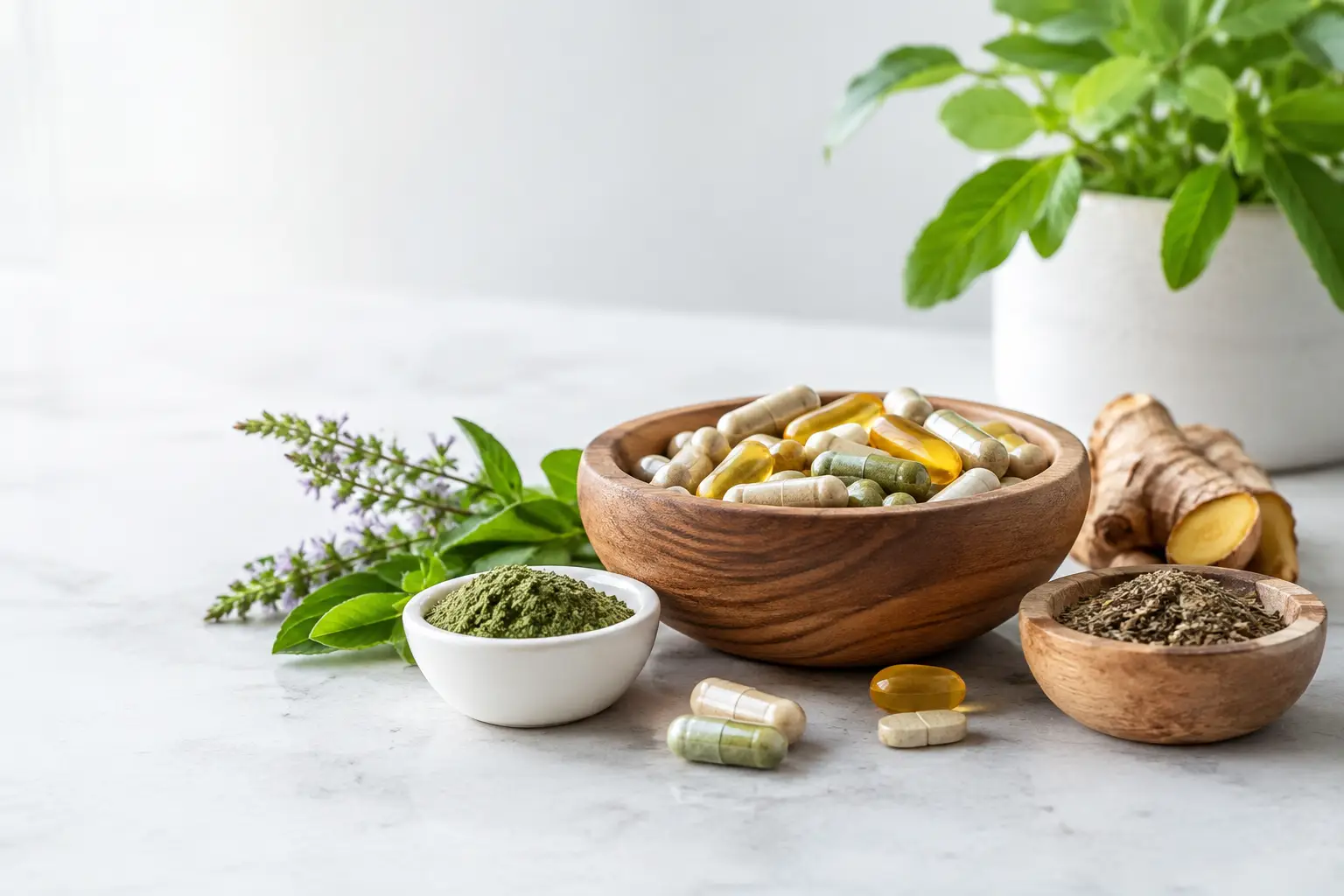
A supplement should not have to make your heart race to earn a place in your morning. This guide to non stimulant ingredients is for people looking past the familiar promise of “more energy” and asking a better question: what is this formula designed to support, and can it fit responsibly into daily life?
Non-stimulant does not mean consequence-free, nor does it mean every botanical will be right for every person. It means the formula is not built around compounds intended to stimulate the central nervous system, such as caffeine. That distinction matters for anyone who has felt the trade-off of jitters, disrupted sleep, afternoon crashes, or a wellness routine that begins to feel like another demand on the body.
A Guide to Non Stimulant Ingredients Starts With Purpose
The most credible formulas begin with a clear role for each ingredient. In metabolic wellness, those roles may include support for glucose metabolism, digestion, liver health, or antioxidant activity. The language matters. Supporting a body system is not the same as diagnosing, treating, curing, or preventing disease.
When reviewing a label, move beyond the front-of-bottle promise. Ask what the ingredient is there to do, what form is used, how much is included, and whether that amount is disclosed. A transparent formula gives you the information needed for a thoughtful conversation with a qualified healthcare professional. A proprietary blend that hides individual amounts does not.
The right choice also depends on your context. Someone managing medications, navigating pregnancy, or working through a diagnosed condition needs more than broad wellness advice. Supplements are tools, not replacements for clinical care, adequate nutrition, movement, sleep, or prescribed treatment.
What “Non-Stimulant” Actually Tells You
A non-stimulant formula generally avoids ingredients selected for an immediate, noticeable lift in alertness or energy. Caffeine, high-caffeine tea extracts, guarana, and similar compounds are common examples of stimulants in weight-management products. Their effects may feel useful in the moment, but they can be a poor fit for people sensitive to caffeine, prone to anxiety, managing blood pressure concerns, or protecting sleep.
Still, non-stimulant is not a synonym for sedating, weak, or universally safe. Botanicals can be biologically active. They may affect digestion, blood glucose, medication metabolism, or how the body responds to food. The responsible goal is not to fear every active ingredient. It is to respect that “natural” is a source description, not a safety guarantee.
A well-designed non-stimulant approach often favors consistency over sensation. You may not feel a dramatic surge after taking it, and that is often the point. Daily metabolic wellness is less about chasing a feeling than building conditions that support steadier routines over time.
Five Ingredients Often Used in Metabolic Formulas
Berberine HCl
Berberine is a plant-derived compound used in several traditional botanical systems and studied for its relationship to glucose and lipid metabolism. Berberine HCl is a commonly used supplemental form. Research interest is meaningful, but results vary by study design, dose, population, and duration.
This is not an ingredient to add casually if you use medication, especially medication that affects blood glucose. It may also cause gastrointestinal side effects for some people. A clinician or pharmacist can help assess whether it belongs in your routine and whether monitoring is appropriate.
Ceylon cinnamon
Ceylon cinnamon, also called true cinnamon, is valued both as a familiar culinary botanical and for research into metabolic health. It is distinct from cassia cinnamon, which can contain higher levels of coumarin, a compound that may be relevant to liver safety with substantial or prolonged intake.
Cinnamon should not be framed as a substitute for glucose management or medical treatment. Its role in a thoughtful formula is typically supportive, alongside food habits, movement, and medical guidance when needed.
Milk thistle
Milk thistle contains a group of compounds commonly referred to as silymarin. It is often included in products positioned around liver wellness and antioxidant support. The liver is central to many ordinary metabolic processes, but liver support claims deserve restraint. No supplement can cancel out heavy alcohol use, untreated metabolic disease, or a pattern of medication misuse.
People with allergies to plants in the ragweed family may want to discuss milk thistle with a healthcare professional. As with other botanicals, product quality and disclosed dosing matter.
Ginger extract
Ginger has a long history of culinary and traditional use, and modern research often examines it in digestive and inflammatory contexts. In a non-stimulant metabolic formula, ginger may be included to support digestive comfort rather than create an artificial energy effect.
Concentrated extracts can be different from using ginger in food. People who take anticoagulant or antiplatelet medications, have gallbladder concerns, or experience persistent digestive symptoms should seek individualized guidance before adding a ginger supplement.
Black seed extract
Black seed, or Nigella sativa, is another botanical with a long history of traditional use and a growing body of scientific interest. Its active constituents, including thymoquinone, are being studied in several wellness contexts, including metabolic and inflammatory pathways.
Promising research is not permission for sweeping claims. Human studies may use different preparations and doses, so findings cannot always be transferred directly to every product on a shelf. Look for a brand that explains the extract used and avoids presenting preliminary evidence as a guarantee.
How to Read a Non-Stimulant Supplement Label
The label is where trust becomes visible. Start with the Supplement Facts panel, not the marketing language. You should be able to identify every active ingredient, its form, and its amount per serving. If a company cannot tell you how much berberine, cinnamon, or botanical extract is in its formula, you cannot meaningfully compare it with the research or discuss it with your clinician.
Next, look for manufacturing accountability. GMP-certified manufacturing in the United States is not a promise that a supplement will work for everyone, but it is a meaningful quality standard. Responsible companies should also be direct about what their products are not designed to do.
Be cautious with phrases that borrow urgency from stimulant marketing: “melt fat fast,” “crush cravings instantly,” or “feel it in minutes.” Metabolic wellness rarely works on that timeline. A product that depends on a dramatic sensation may be selling stimulation as proof of effectiveness.
Pair Ingredients With Ordinary Practices
A non-stimulant formula can be one part of a broader rhythm. It cannot create that rhythm alone. Taking a supplement with a consistent meal, adding a short walk after dinner, protecting a regular sleep window, and making room for protein- and fiber-rich foods are modest practices with real relevance to metabolic health.
CoreVital Burn was developed around this principle: disclosed botanical roles, physician-guided thinking, and no reliance on stimulant-driven energy claims. The goal is not to create a shortcut. It is to offer support that can sit alongside the daily practices that matter most.
If you choose to begin a new supplement, introduce it thoughtfully. Follow the label directions, avoid stacking several new products at once, and pay attention to digestive changes, sleep, mood, and any medication-related concerns. Stop use and seek medical advice if you experience an adverse reaction.
Questions Worth Asking Before You Buy
Before committing to a formula, ask whether the ingredients and amounts are fully disclosed, whether the claimed benefits match the actual evidence, and whether the product has been made under credible quality standards. Then ask the personal question: does this support the routine I am trying to build, or am I hoping it will replace one?
That answer can be freeing. The most sustainable wellness plan is rarely the loudest one. Choose ingredients with a clear purpose, give your body time to respond, and let consistency do the work that a quick jolt never could.