
THE COREVITAL JOURNAL
12 Best Snacks for Steady Energy, Without the Crash
Learn how to choose the best snacks for steady energy with balanced protein, fiber, and fats that fit real workdays, workouts, and afternoons each day.
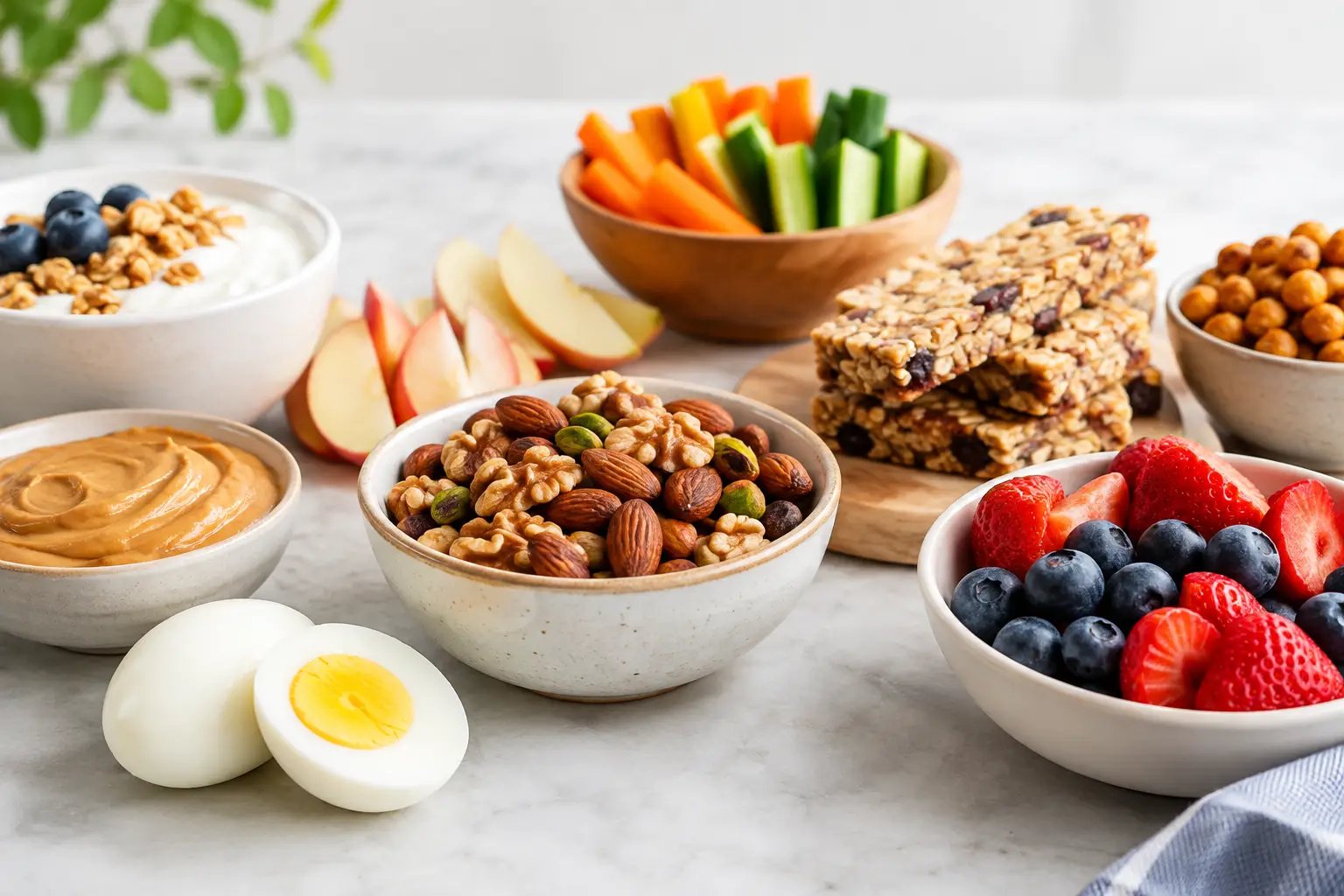
That 3 p.m. pull toward the vending machine is rarely a character flaw. More often, it is the predictable result of a rushed breakfast, a lunch built around refined carbohydrates, too little water, or a workday that asks more of you than your meals have supplied. The best snacks for steady energy are not the ones with the boldest label or the biggest caffeine hit. They are the ones that help you feel nourished and clear-headed between meals without setting up another sharp swing in hunger an hour later.
For most adults, the goal is not to eat perfectly or turn every snack into a nutrition project. It is to create a more dependable rhythm: eat enough at meals, keep practical options nearby, and choose snacks that combine more than one source of nourishment.
What makes a snack support steadier energy?
A snack built mostly from quickly digested carbohydrates can be useful in specific moments, such as during extended endurance exercise or when you need a fast source of fuel. But at a desk, in the car, or between ordinary meals, a sweeter snack by itself may leave some people hungry again quickly.
A more balanced option typically pairs carbohydrate-containing foods with protein, fiber, or unsaturated fat. Protein can make a snack more satisfying. Fiber supports digestion and slows the pace at which food moves through the digestive tract. Fats from foods such as nuts, seeds, avocado, and olives add staying power and help make meals feel complete.
This is not a promise that one food will control your energy, appetite, or blood glucose. Bodies respond differently, and sleep, stress, medications, meal timing, activity, and underlying health conditions all matter. Still, the pattern is useful: build snacks around foods that offer substance, not just stimulation.
12 best snacks for steady energy
The right choice depends on what is available, how long until your next meal, and whether you need something shelf-stable or refrigerated. These options are simple enough for ordinary mornings and demanding afternoons.
1. Apple slices with peanut or almond butter
An apple brings fiber, fluid, and natural sweetness. Nut butter adds fat and a modest amount of protein, making this a more satisfying choice than fruit alone for many people. Look for a nut butter with a short ingredient list, ideally nuts and perhaps salt. A tablespoon or two is usually enough.
2. Plain Greek yogurt with berries
Greek yogurt offers substantial protein in a compact serving, while berries provide fiber and flavor without requiring added sugar. Choose plain yogurt when possible and add cinnamon, chopped walnuts, or a small spoonful of chia seeds if you want more texture. If dairy does not agree with you, an unsweetened high-protein yogurt alternative can work, though labels vary widely.
3. Hummus with vegetables and whole-grain crackers
Hummus brings chickpeas, tahini, and olive oil together in a snack that is easy to keep in rotation. Pair it with carrots, bell peppers, cucumbers, or snap peas, plus a few whole-grain crackers if you need something more substantial. This combination works especially well when lunch is still several hours away.
4. Cottage cheese with pear or peaches
Cottage cheese is a practical protein source that requires almost no preparation. Pair it with sliced pear, peaches packed in juice, or a handful of berries for fiber and flavor. If you prefer savory foods, try cottage cheese with cherry tomatoes, black pepper, and a drizzle of olive oil instead.
5. A hard-boiled egg with fruit
Eggs are portable, economical, and filling. A hard-boiled egg alongside a clementine, kiwi, or small apple gives you a mix of protein, fat, and carbohydrate without requiring a full meal. Keep food safety in mind: refrigerated eggs are best for home or office snacks, not a warm car.
6. Edamame with sea salt
Steamed edamame offers both protein and fiber, a combination that is harder to find in many packaged snacks. Buy it frozen for home, or look for dry-roasted edamame when you need a shelf-stable option. The roasted version is convenient, but sodium can add up, so portion it into a small container rather than eating from the bag.
7. Chia pudding made with milk or soy milk
Chia seeds absorb liquid and create a pudding-like texture that can be prepared the night before. Made with dairy milk or fortified soy milk, chia pudding provides fiber plus protein, and it is easy to flavor with vanilla, berries, or cinnamon. Keep sweeteners modest. The point is not to make dessert healthier by name, but to make a snack that carries you comfortably to your next meal.
8. Tuna or salmon on whole-grain crispbread
Single-serve packets of tuna or salmon can make a genuinely useful workday snack. Serve them over whole-grain crispbread or alongside sliced cucumber. Fish provides protein, and salmon adds omega-3 fats. Choose lower-sodium options when available, especially if packaged foods are already a regular part of your routine.
9. Trail mix you portion yourself
Store-bought trail mix can range from nourishing to candy with a few almonds mixed in. A simple homemade version gives you more control: combine nuts, seeds, and a small amount of dried fruit. If you enjoy dark chocolate, include a few pieces rather than making it the base. A small handful is often plenty because nuts and dried fruit are calorie-dense.
10. Roasted chickpeas
Roasted chickpeas are crunchy, portable, and naturally provide fiber and plant-based protein. They can be a good replacement for chips when you want something savory. Check the label for added sugars and high sodium, or roast canned chickpeas at home with olive oil and spices.
11. Half an avocado on seeded toast
For a snack that borders on a light meal, mashed avocado on a slice of seeded or whole-grain toast is a strong option. Add hemp seeds, a sliced egg, or a few white beans if you need more protein. This may be more food than you need between a full breakfast and lunch, but it can be exactly right after a light meal or before a long evening.
12. A small smoothie with a clear structure
Smoothies can be useful, but they are easy to turn into a large, liquid-heavy meal that does not satisfy for long. Start with unsweetened milk or soy milk, add Greek yogurt or silken tofu for protein, use berries or half a banana for fruit, and include spinach or chia seeds if you enjoy them. Keep juice and sweetened yogurt out of the default formula.
How to choose snacks when labels get noisy
Packaging often makes energy sound like a stimulant problem. In reality, a snack marketed for energy may be little more than sugar, refined starch, caffeine, or a blend that makes broad promises without explaining what is inside. Read past the front label.
Start with the ingredient list. Can you recognize the main foods? Then check whether the snack includes a meaningful source of protein or fiber, rather than relying only on a small amount added for marketing appeal. Added sugar is not automatically disqualifying, but it helps to see it clearly. A snack can contain dates, honey, or fruit concentrates and still be sweet enough to function more like a treat than a steady afternoon option.
Portion and context matter, too. A protein bar may be useful when you are traveling and have no other option. It is not automatically inferior to a homemade snack. But if it leaves you thirsty, overly full, or reaching for more food shortly afterward, it may not be the right fit for your regular rhythm.
Make the easier choice the closer choice
Consistency usually has less to do with willpower than with preparation. Put shelf-stable snacks where decisions happen: in a work bag, desk drawer, or car kit that is not exposed to heat. Keep washed produce at eye level in the refrigerator. Prepare a few eggs, chia puddings, or snack containers once or twice a week rather than trying to become someone who meal-preps perfectly every Sunday.
It also helps to ask a simple question before snacking: am I hungry, underfed from an earlier meal, tired, stressed, or simply ready for a break? Food may be the appropriate answer, especially if you are physically hungry. But an honest pause can prevent you from expecting a snack to solve what a short walk, water, rest, or a more complete lunch needs to address.
If you live with diabetes, take glucose-lowering medication, have kidney disease, manage food allergies, or have been advised to follow a specific eating plan, personalize snack choices with your physician or registered dietitian. General wellness guidance should not override individualized care.
Steady energy is built quietly. A balanced snack will not replace sleep, movement, regular meals, or medical care, but it can make the next ordinary decision feel easier. Keep a few options you genuinely enjoy within reach, and let that small practice help restore your rhythm.